
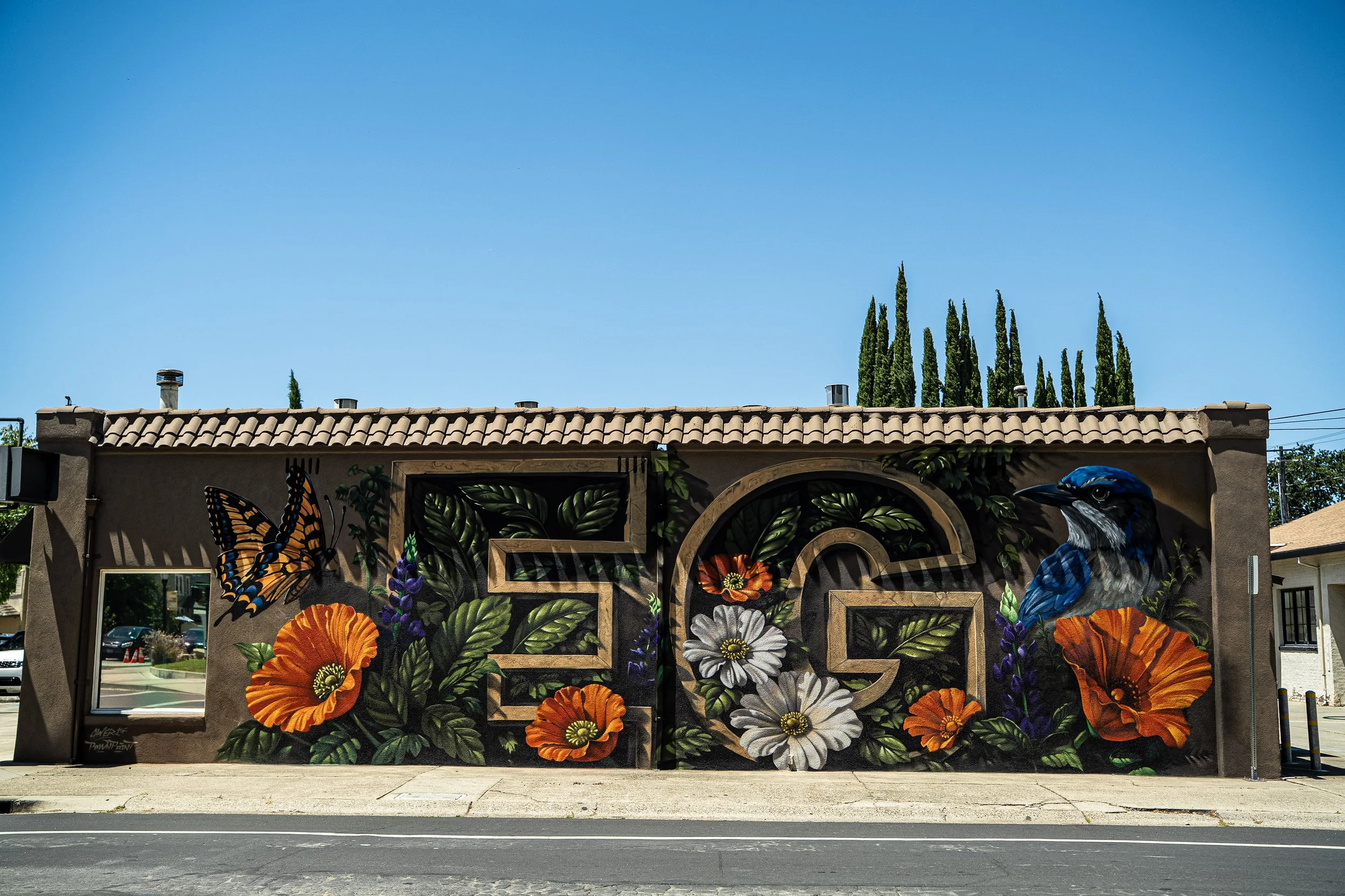
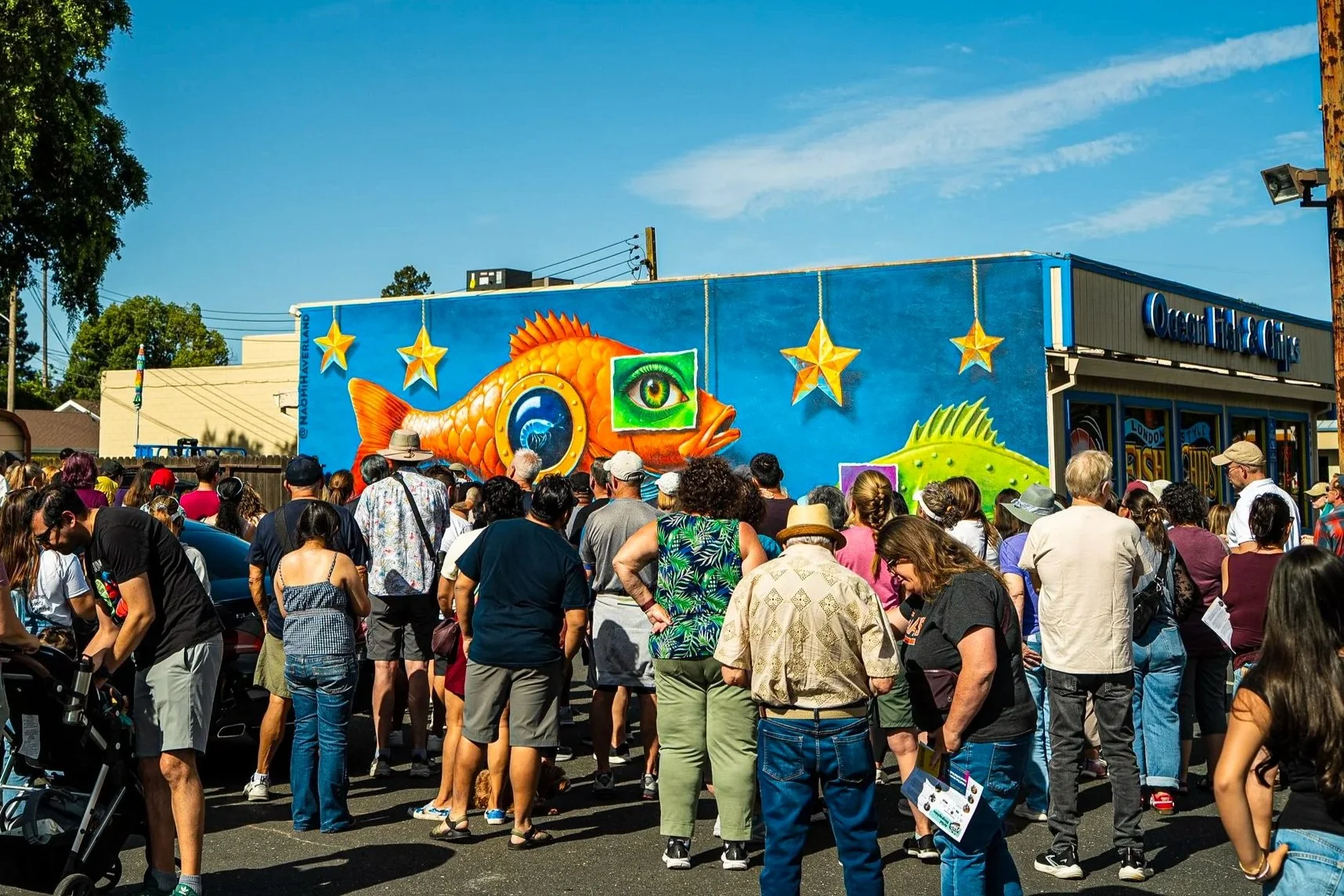
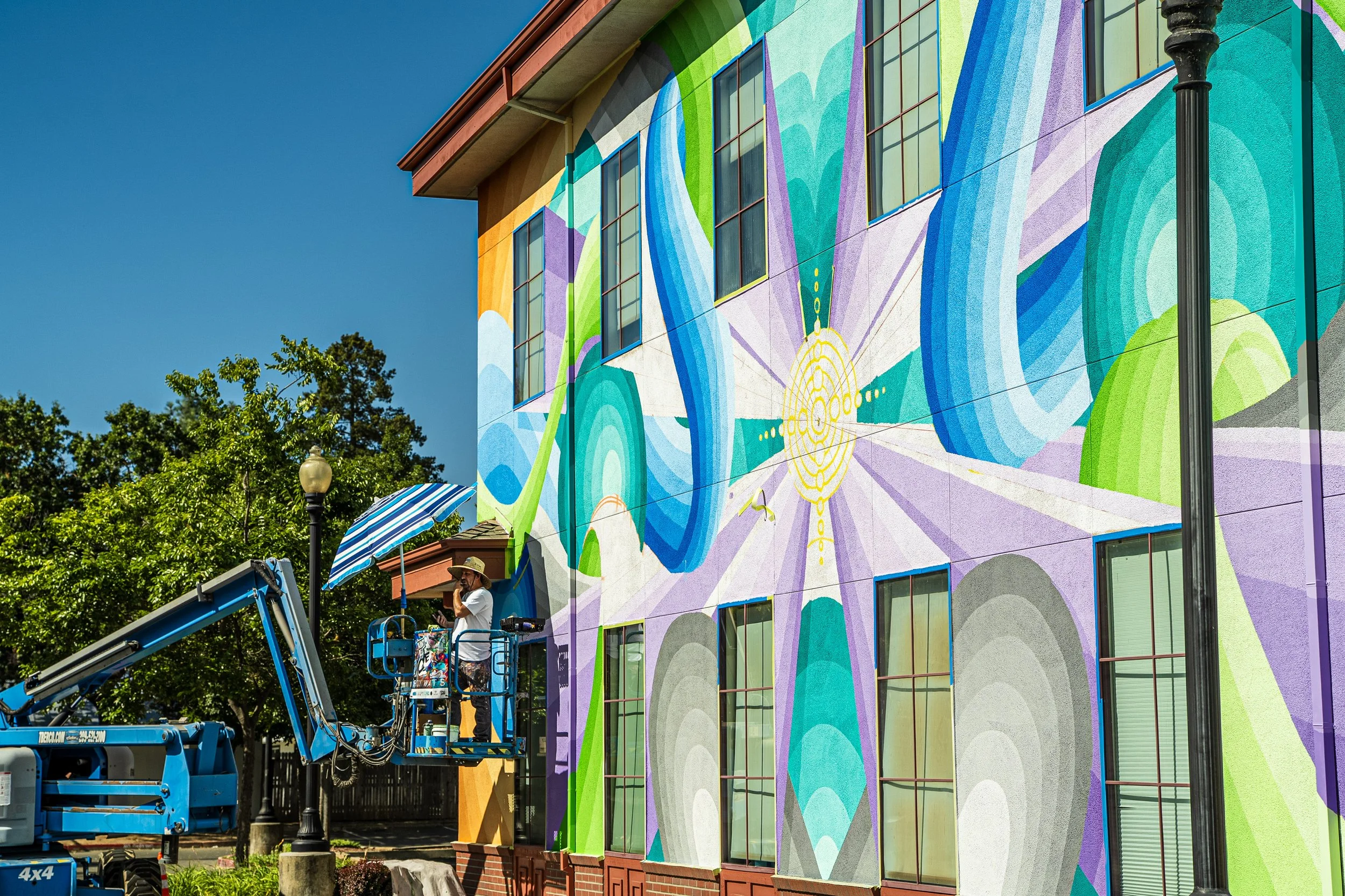
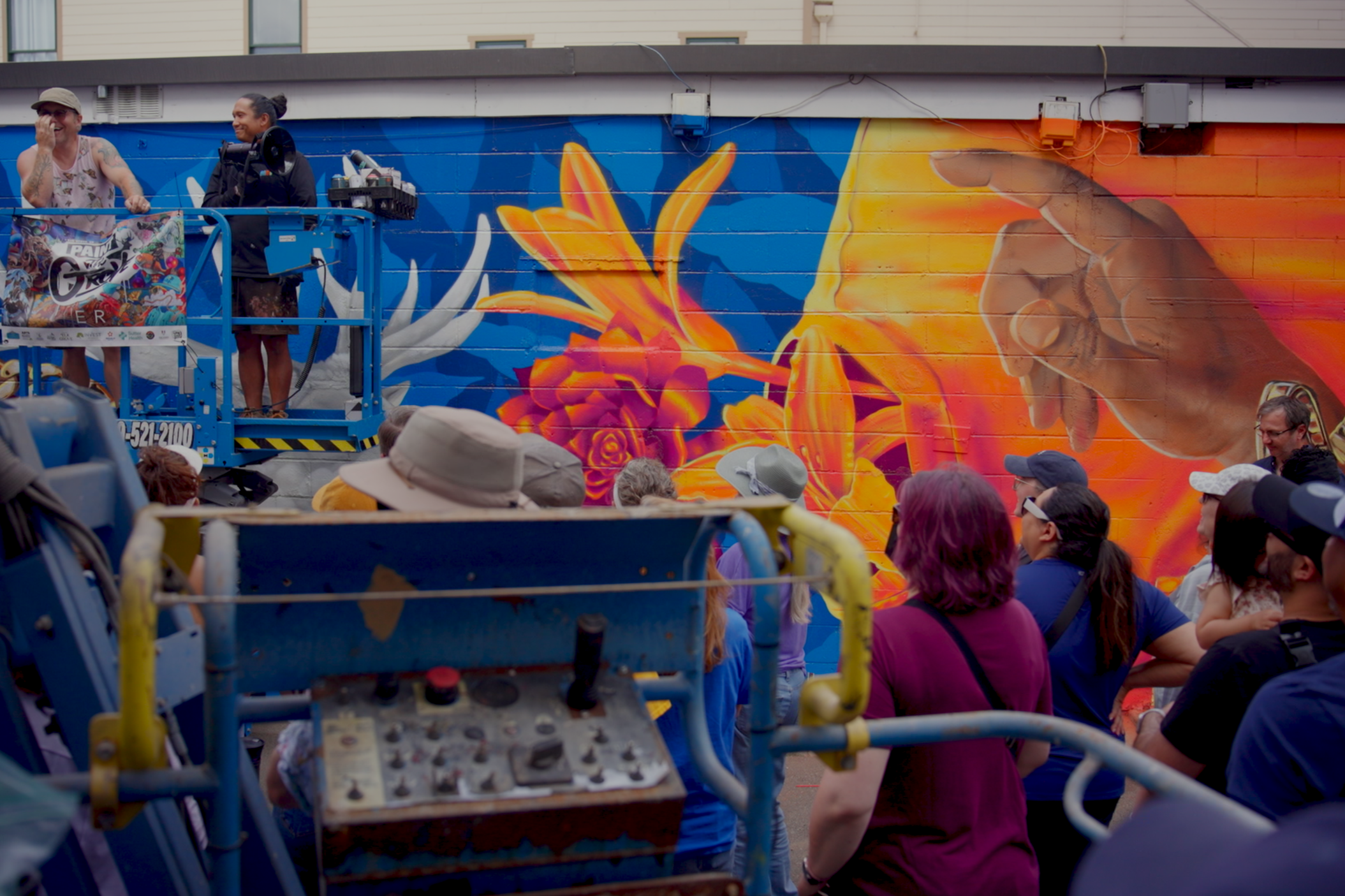
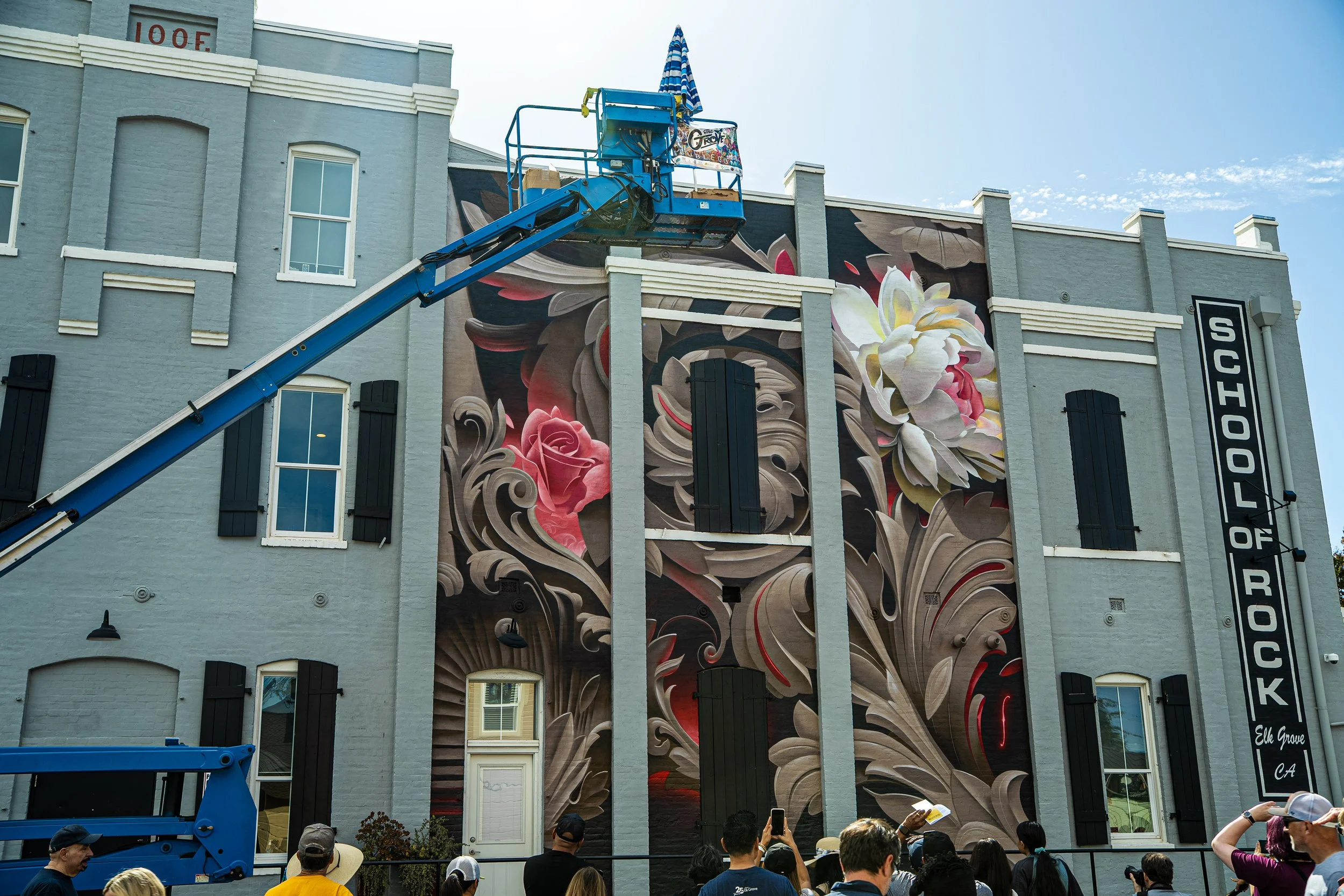
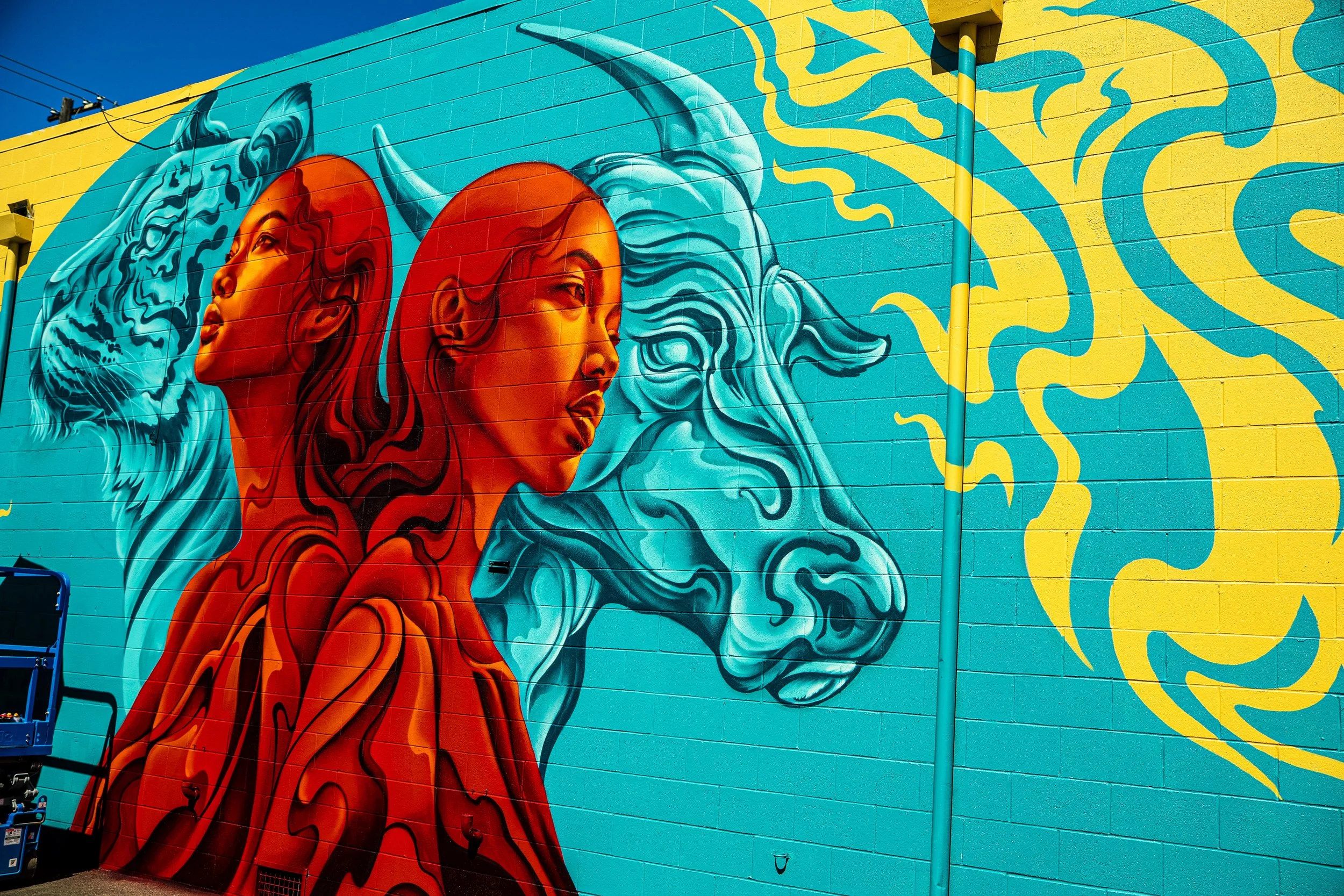
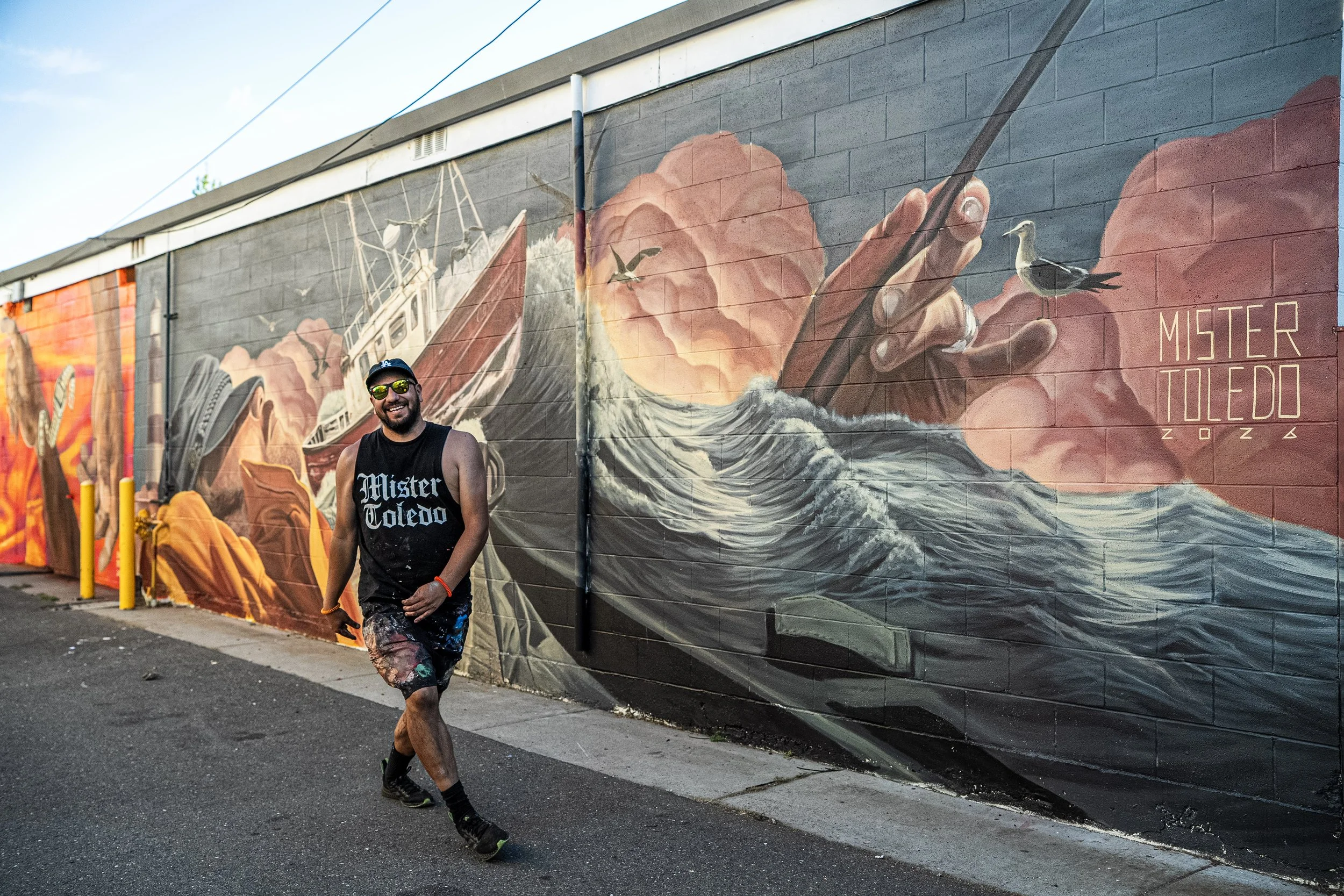
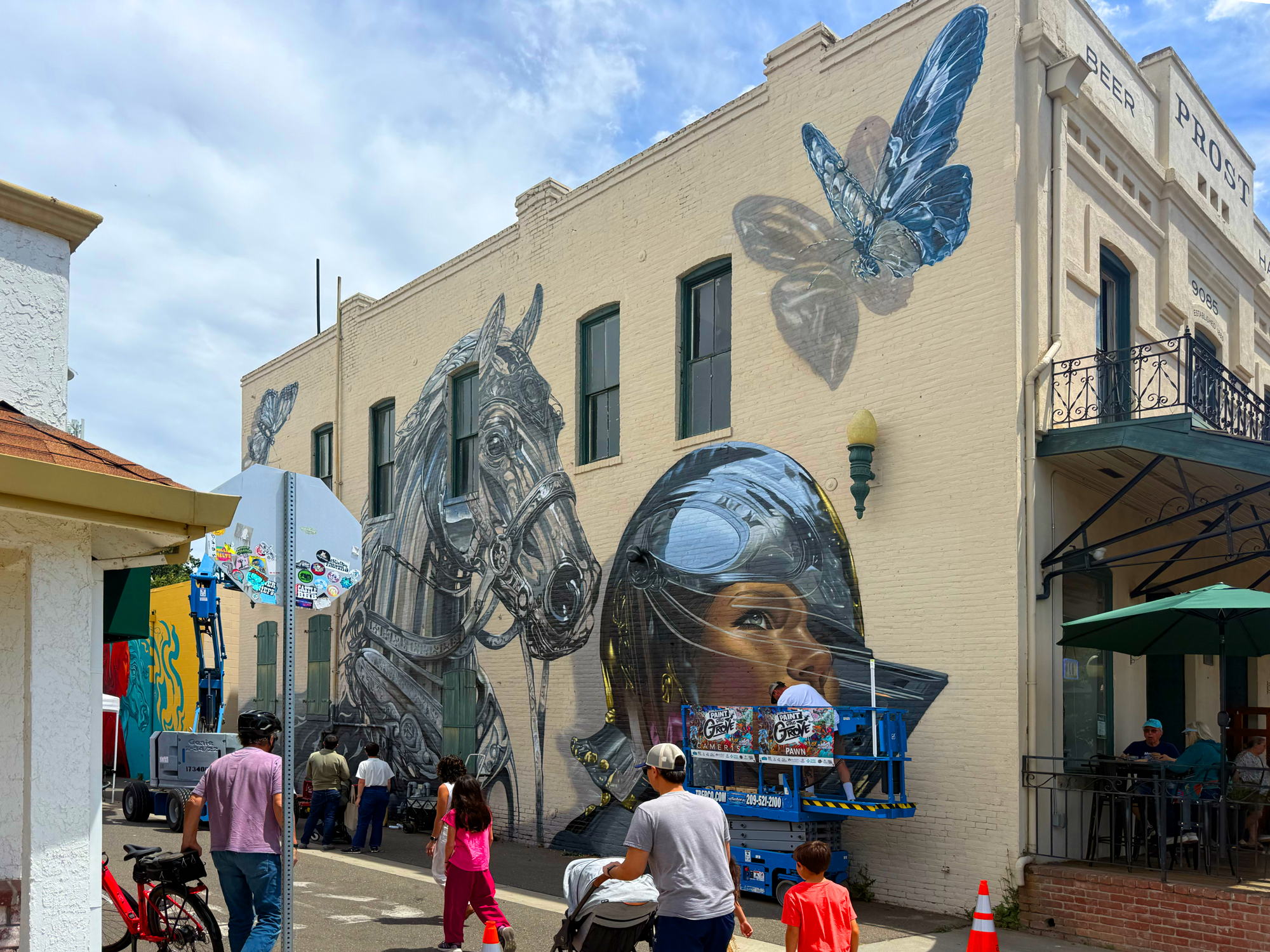
Photography by @serg_shoots, @talkingwallsart, and @pawnpaint
Elk Grove's inaugural Paint the Grove mural festival (June 1–6, 2026) turned Historic Main Street into an open-air gallery, but the real story is everything that happened before the first drop of paint. We won the city's first-ever mural festival bid through a competitive Arts Commission process, waited until nine days before the artists arrived for final legal approval, battled a historic district's regulations (with ~$10,000-per-mural fines hanging over our heads), and still walked away with 300+ mural tour attendees and 3,000+ visitors at the finale.
Here's the full behind-the-scenes story — why running a mural festival in California is unlike anywhere else, and why Elk Grove gets ten stars from us.
Paint the Grove at a glance:
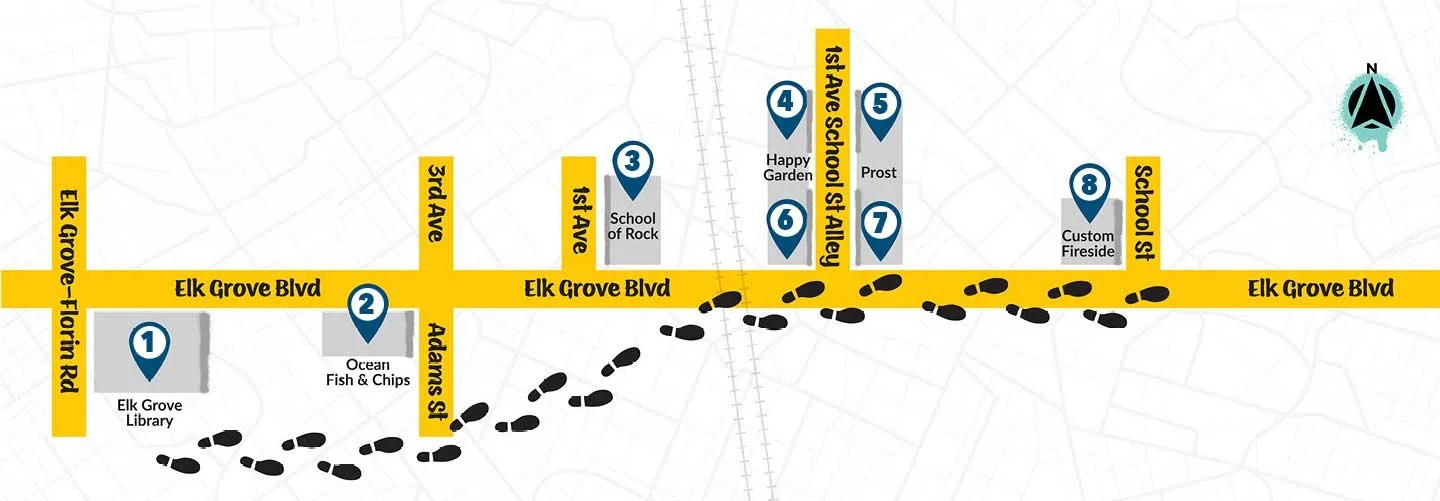
What: An annual celebration of muralism featuring live painting, community events, and the creation of new large-scale murals. The inaugural festival activated eight walls on historic Main Street.
When: The first festival ran from June 1–6, 2026. Stay tuned for news and press releases about next year's event schedule.
Where: Mural locations are centered along Historic Main Street in Old Town Elk Grove, CA, between Elk Grove Florin Rd and Waterman Rd, with Old Town Plaza (9615 Railroad St.) as the central hub.
Who: The 2026 featured artists included 1) Ricky Watts, 2) Naomi Haverland, 3) Bublegum, 4) Mister Toledo, 5) Francesca Gamez, 6) Everyday Research, 7&8) PAWN, and 7&8) Camer1sf,
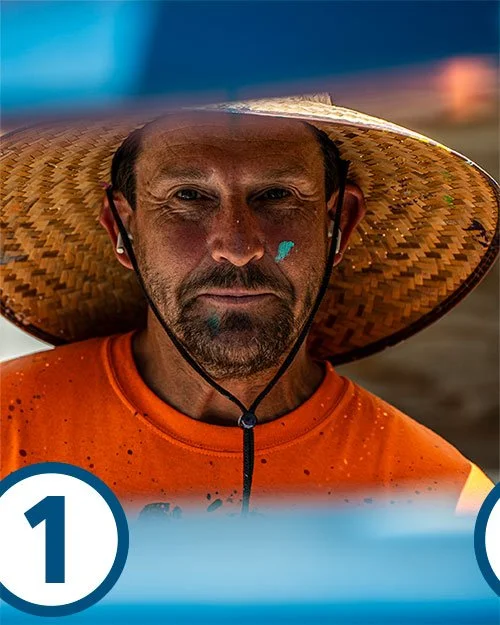
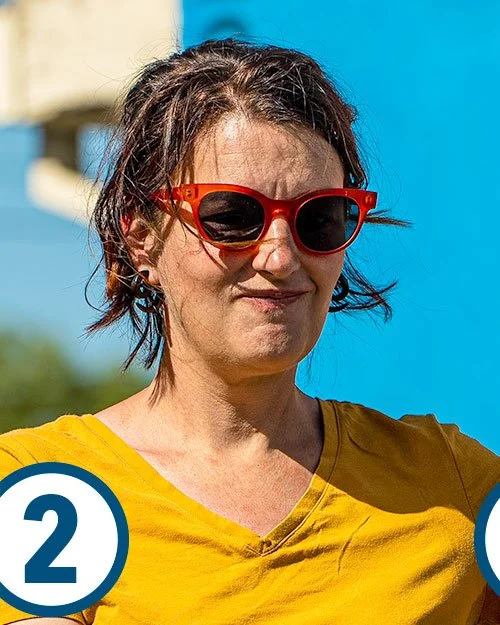
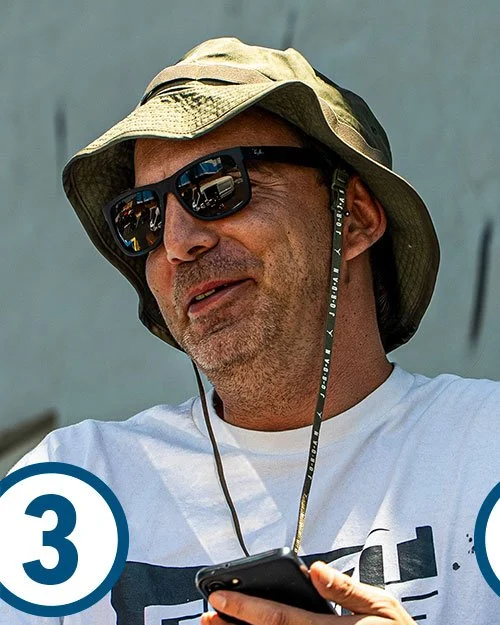
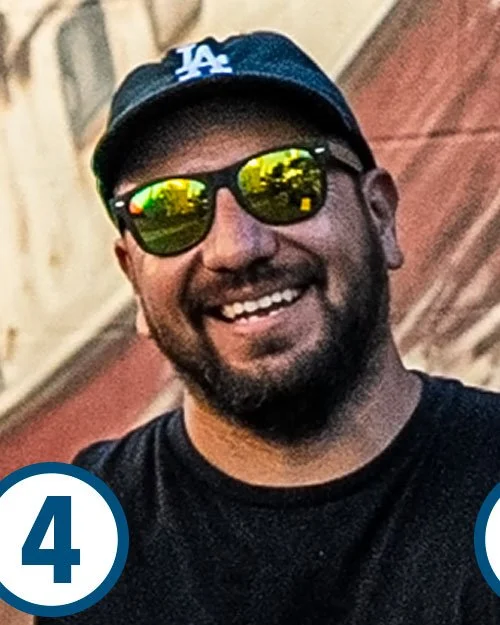
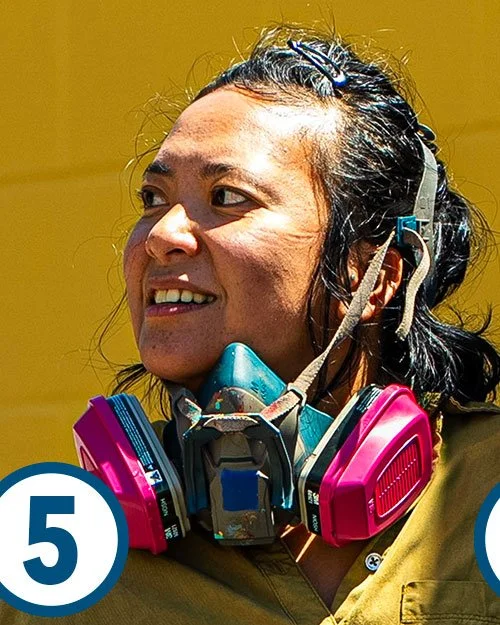
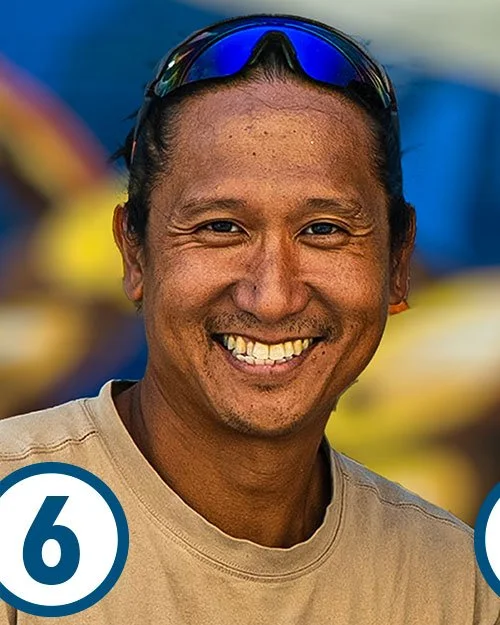
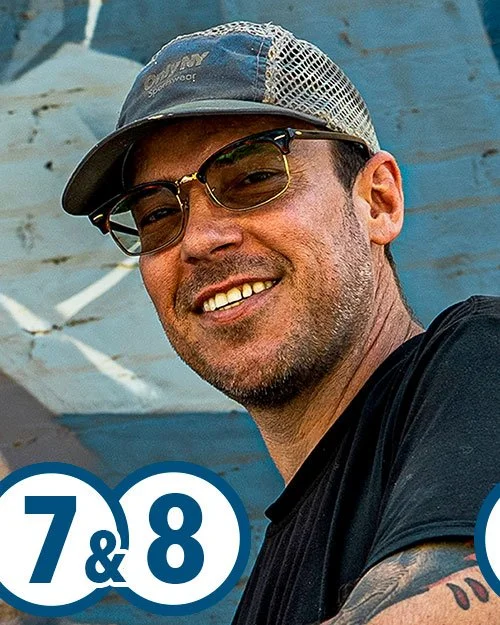
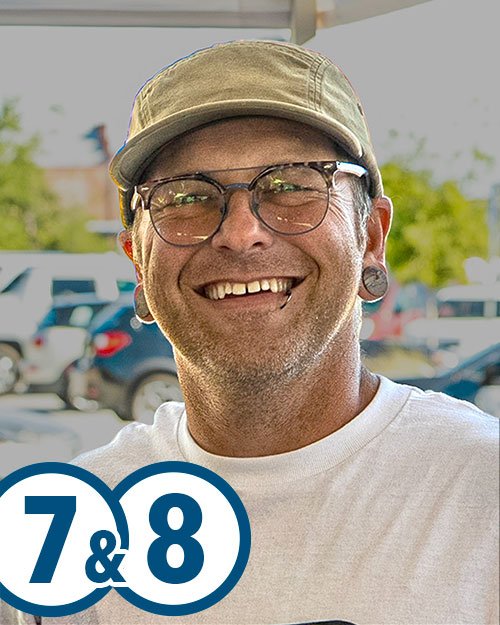
The city's own announcement framed Paint the Grove as "a celebration of how Elk Grove continues to grow as a dynamic destination where public art, local businesses, and community connection come together" and that's exactly how it played out. But getting there? Bananas! Here's how it all went down....
Winning the Bid While Standing Up in Front of Your Competitors
First, backstory on how the gig even happened. Elk Grove was a new event, a new location for us, and honestly a totally new thing for the city. In California, mural festivals have to go through multiple committees and then town councils, which is very different from other places. For Elk Grove specifically, that starts with the Arts Commission, and all they're really there for is to make recommendations to the City Council.
The commission put out an all-call for curators, narrowed the field to five or six groups, and then we all had to present in front of each other at a committee meeting. Picture it: a formal request-for-proposal process, an invitation to present in person, standing up in city council chambers speaking to everyone who showed up while your five competitors also watch you do it as you're looking them in the eye then shake hands afterward. Cameron likes to say, I'm a competitive person, but not in a field where I don't feel like competing.
They unanimously picked us. Super humbling, super kind, and there we were on cloud nine.
Notably, the city took an unusual creative gamble with the format: unlike typical taxpayer-funded public art, Elk Grove commissioned these murals without pre-approving the designs, betting that total artistic freedom would produce the best work. That faith in artists is exactly how we like to work, and it set the tone for everything that followed.
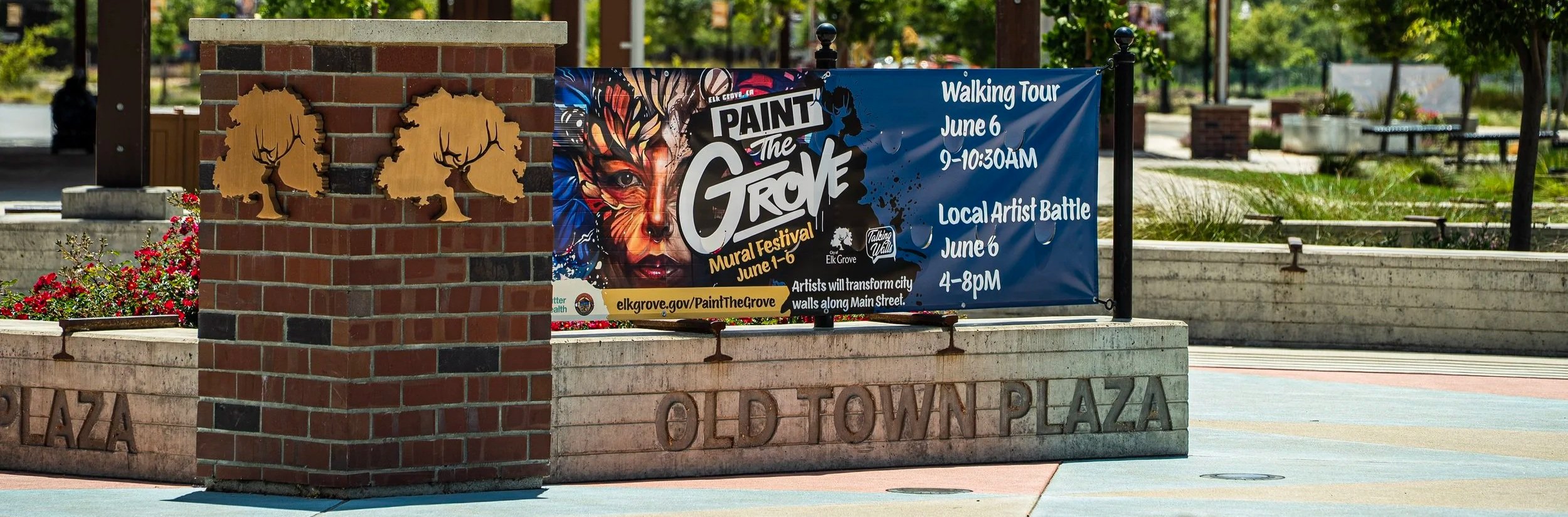
photo @serg_shoots
The Historic District
And then we realized: oh wow, we're doing this in a historical district, which meant more committees, more hurdles, and getting permission from individual building owners to put murals on their walls.
We worked for about six months going through all of it. Every committee and every approval was all done living on a prayer that the City Council would eventually vote it through. And here's the bananas part: that final council meeting was scheduled for roughly nine days before the artists were set to arrive.
Think about that, flights had already been booked, paint had already been ordered, everything was locked and loaded, and we technically had no legal permission to paint a single wall. Why did that matter so much? Because this was a historic district, if you put a painting up without permission, it's about a $10,000 fine. Per mural. If they hadn't approved it, the whole thing simply wouldn't have happened.
The Opposition
At the same time, we had a small group of locals who didn't want us there. And here's the tricky thing, it was such a small group, like three or four people if that, but they were people who made you feel like they had real power and pull in town. So it felt enormous, even though the thousands of people who actually live there wanted it to happen.
So we found ourselves fighting in council meetings, over and over, to prove that this festival was beneficial to the community. Unfortunately, that's seemed to be a lot of the case when it comes to doing festivals in towns in California. There's just so much behind-the-scenes work leading up to the fun part people actually see.
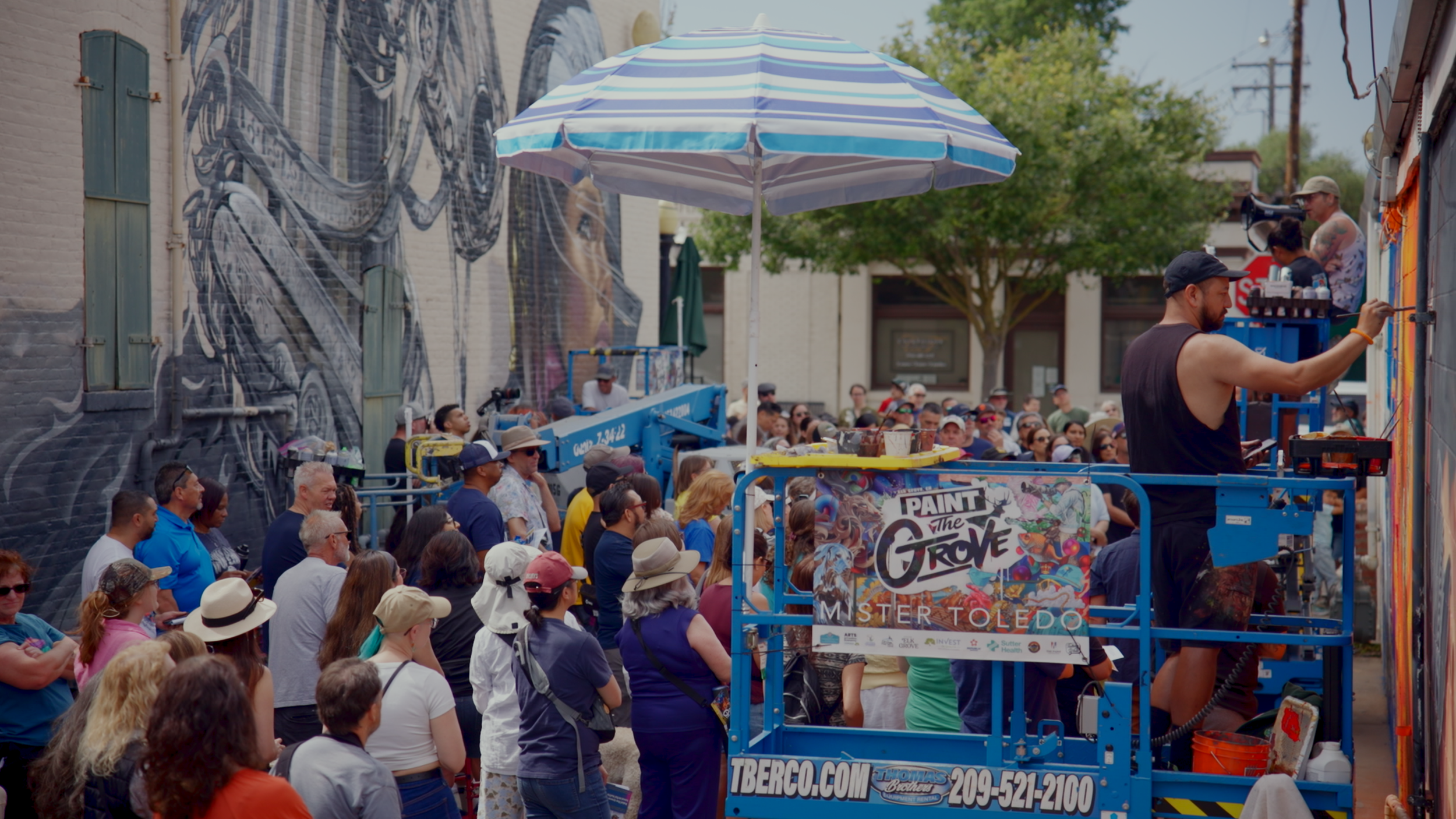
photo @talkingwallsart
Festival Week: 300 on the Tour, 3,000 on Saturday
Once we cleared those final hurdles, the festival itself was something else.
The city produced a full week of programming: eight artists painting live along Elk Grove Boulevard between Elk Grove Florin Road and School Street, culminating in a free Saturday with a guided walking mural tour at 9 a.m. and a live local-artist art battle at 4 p.m., with food trucks and vendors at Old Town Plaza. The inaugural Elk Grove mural was kicked off and a new chapter for the arts in Elk Grove was started.
The first-ever mural tour drew about 300 people that Saturday morning. We arrived right when we were supposed to start, looked at the plaza, and had two thoughts, one practical, one emotional: "How are we even going to do this on a sidewalk?" followed immediately by "Holy moly, there are so many people interested in what we're doing. This is so cool."
Somehow it just worked as we caravaned along and made it happen. The artists impressed too as several of them said they'd never seen so many people come out for a mural tour. One artist in particular got visibly emotional by the sheer number of people showing up and it hit him at a visceral level as he was feeling that much support for his work. This is overwhelming in the best way and we wanted to cry out of pure gratitude.
Then came the final Saturday event, and over 3,000 people came in, out, and through.
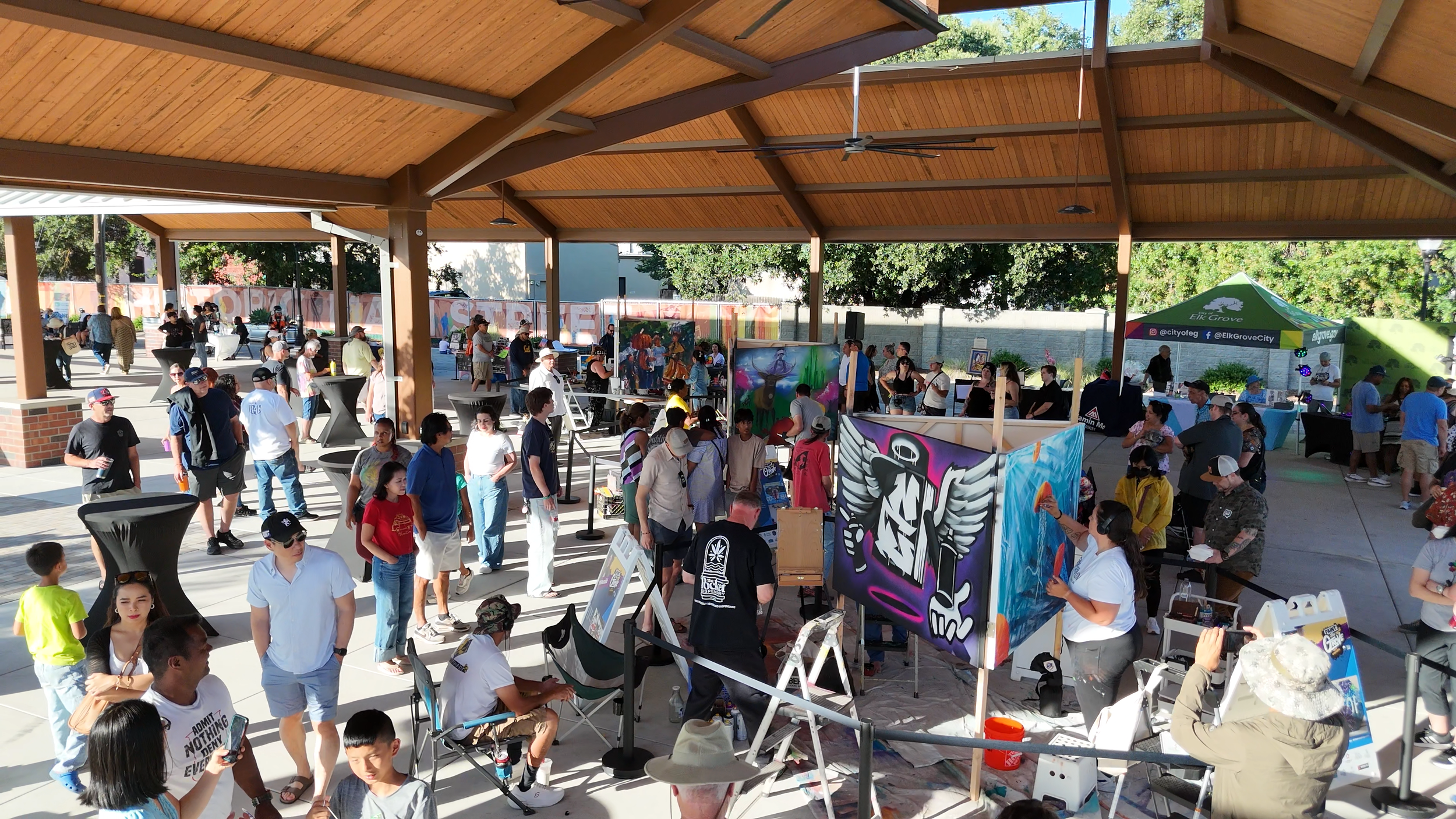
photo @talkingwallsart
Key takeaway: A first-year mural festival drawing 300 people to a walking tour and 3,000+ to the finale is a massive sign of success for Elk Grove and it matched what the artists themselves told us: "Wow, I've never seen so many people come out."
Why the Crowds Came: The Facts Behind What We Felt
People were walking around saying, "I didn't even know this area existed!" One resident told us they'd lived in Elk Grove for 20 years and had no idea the plaza was there. That's surprising, but also not surprising because that's just what murals do. That's what art does. It brings people together. Cities are catching on that public art drives foot traffic: if you've got restaurants or coffee shops or ice cream shops nearby, people stick around longer, and vice versa. It's all very symbiotic.
Here are some facts:
In 2022, the nonprofit arts and culture industry generated $151.7 billion in economic activity, supporting 2.6 million jobs where attendees spend an average of $38.46 per person per event beyond the cost of admission, on meals, parking, and more (Americans for the Arts, Arts & Economic Prosperity 6).
A three-year Gallup study of 26 U.S. cities found that social offerings and aesthetics — including access to arts and cultural opportunities — were the top drivers of community attachment, and that communities with the highest attachment saw the highest rates of local GDP growth (Knight Foundation, "Soul of the Community").
Cultural tourists are especially valuable: attendees who travel from out of town historically spend roughly twice as much as locals (Americans for the Arts, AEP).
We lived that last one: we met people vacationing from Chicago who said, "We heard about this on the news," and they came. The city pulled all its resources to spread the word across the region, and the turnout reflected it. It truly was a team effort.
Sarah: Our Fourth Team Member
Now we have to talk about Sarah, because you cannot tell this story without her. CBS Sacramento identified her as the city's arts lead, Elk Grove's Arts, Culture and Creative Economy Manager, and quoted her reasoning behind the festival's trust-the-artists approach.
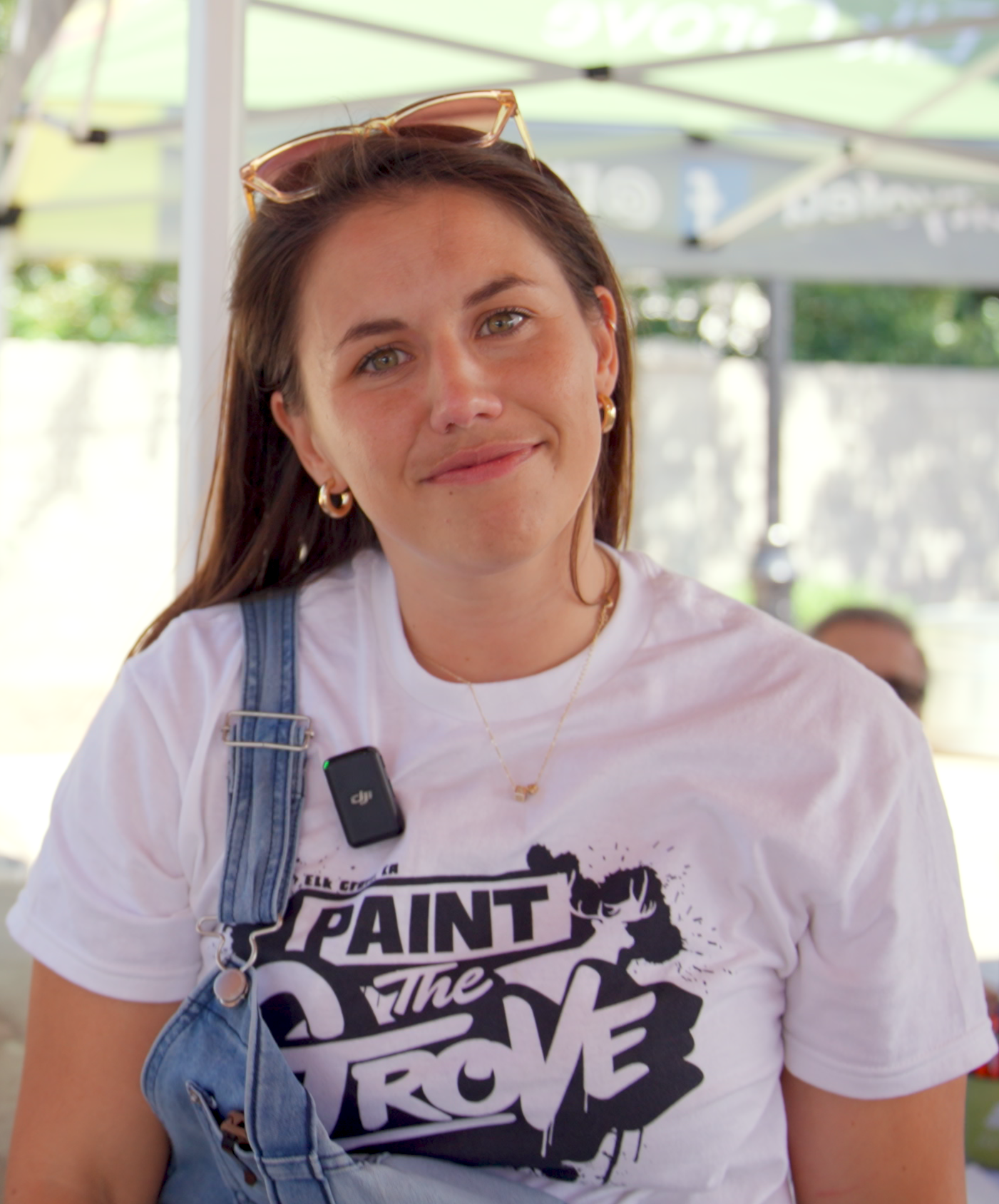
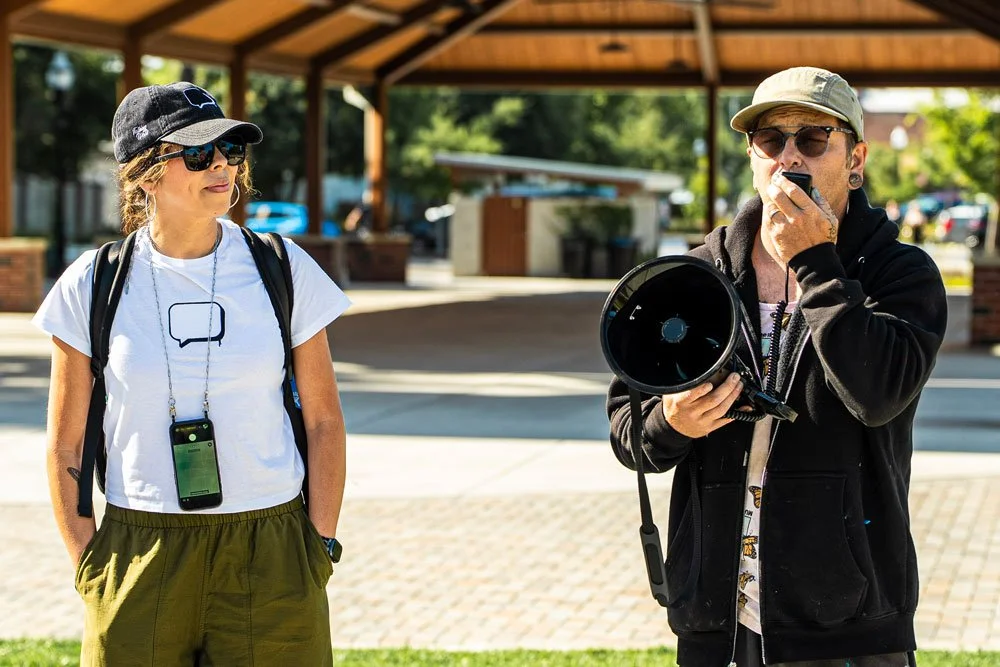
Photo @talkingwallsart, @serg_shoots, and @rickywatts
It's difficult to communicate to a city exactly what we do, and here's what made the partnership tricky: the lines are blurred between what we do and what a city liaison does. The jobs aren't clearly mapped out. We do a little of theirs, they do a little of ours. Sarah was so willing to learn that she basically became a member of the Talking Walls team. She knew a lot about us, about our love and passion for caring for artists, and she learned our process so well that she could sell it to the other committees and the city council chamber, in front of the whole city watching.
Not once did anyone say "that's not my job description." It was: "Oh, I have a resource for that — I'll handle it." "The city has this — we'll do that." "We have expertise in this — let's go talk to that person." This was a really special synergy between the three of us.
She was working just as hard as we were and wanted it just as much. There was a lot riding on this festival for her too, and she didn't shy away from the effort one bit. Honestly? "Can we just take her with us everywhere?" She was a dream to work with.
Watching the Leader of the Team Step Up
On a personal note, this part matters a lot.
This was probably the mural festival I, Crystal, really leaned into, personally and professionally. When we applied, Cameron was juggling so many things that he'd often say, "I trust you. You take that. Go ahead and write it." Not in a way where I felt alone, but in a way where I thought, okay, it's time to put on my big girl pants and step it up.
When it came time to present, I really presented us as a team, and that was a vulnerable place for me. Cameron helped me rehearse and was patient with the things I'm uncomfortable with because being in the art industry as a non-artist is kind of a weird thing. Sink or swim, and I guess we swam and got to the shore successfully.
We've always been so grassroots. I call us scrappy because we just do whatever it takes to get the job done, and it's not always pretty, but we get it done. That's something so admirable about Cameron: he just does. Feet to the pavement, hammer to a nail.
Rating the Client
You never really know how invested a city is until the actual week of the mural festival. And Elk Grove was far above and beyond invested. It was a big deal for the city, which made it a big deal for us.
If there were a Yelp for clients like a ratemyclient.com or something like that, then Elk Grove would get five stars. Actually, if five is the maximum, they'd get ten stars.
The Future of Paint the Grove: The Sky's the Limit
So where does Paint the Grove go from here? We're contracted for two more years. We're gearing up for year two, and then we have another year committed after that. Beyond that, the sky's the limit. We've already started that conversation with the city on how can the entire festival budget go toward the festival and the artists while keeping all the fundamentals of a great mural festival: creative freedom, portfolio-building, and a solid paycheck to take home.
It's also worth being transparent about criticism: local commentary around the festival asked whether a city can deliberately build an arts district or whether that has to grow organically. Fair question! Our answer from week one: 3,000 people coming through to plaza that's been there for decades, and some finding out about it for the first time suggests the demand was always there, but the walls just needed paint on them.
Frequently Asked Questions About Paint the Grove
What is Paint the Grove? Paint the Grove is the City of Elk Grove's inaugural mural festival, presented in partnership with Talking Walls. Held June 1–6, 2026, it brought nationally and locally recognized artists to Historic Main Street to create eight new large-scale murals, plus community events like a guided walking mural tour and a live art battle at Old Town Plaza (Elk Grove Citizen; Explore Elk Grove).
How many people attended Paint the Grove? About 300 people attended the guided mural tour, and more than 3,000 people visited during the final Saturday's events, based on the city's crowd-density tracking during the festival.
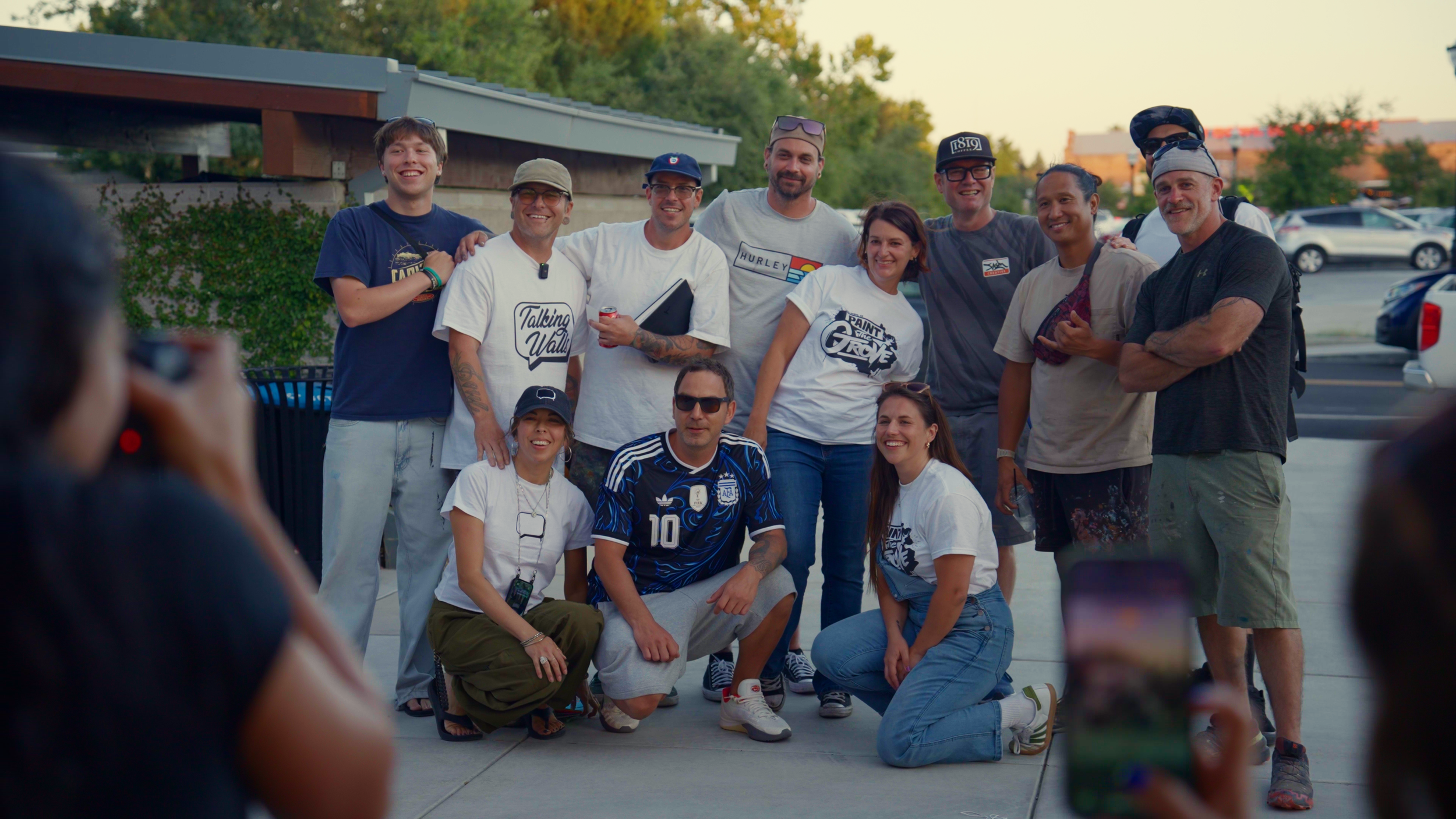
photo @talkingwallsart
Who painted the Paint the Grove murals? Eight murals were painted on walls along Elk Grove Boulevard between Elk Grove Florin Road and School Street by nationally and globally recognized artists (Sacramento Bee).
Where are the murals located? Along Historic Main Street in Elk Grove's Old Town district, centered on Old Town Plaza (9615 Railroad St., Elk Grove, CA 95624) (City of Elk Grove).
Will there be another Paint the Grove? Yes. Talking Walls is contracted with the City of Elk Grove for two more years of the festival.
Who organizes Paint the Grove? The festival is a partnership between the City of Elk Grove and Talking Walls, a mural production and curatorial team that organizes mural festivals, curates murals and art spaces, and paints commissioned murals nationwide.
Bringing a Mural Festival to Your City?
That's the story of year one and it's a playbook we'd love to run again. If you're a city looking to activate a district with public art, an artist interested in future festivals, or a business owner with a wall that needs some life, reach out to Talking Walls. at (415) 505-5720 or email at info@talkingwalls.art
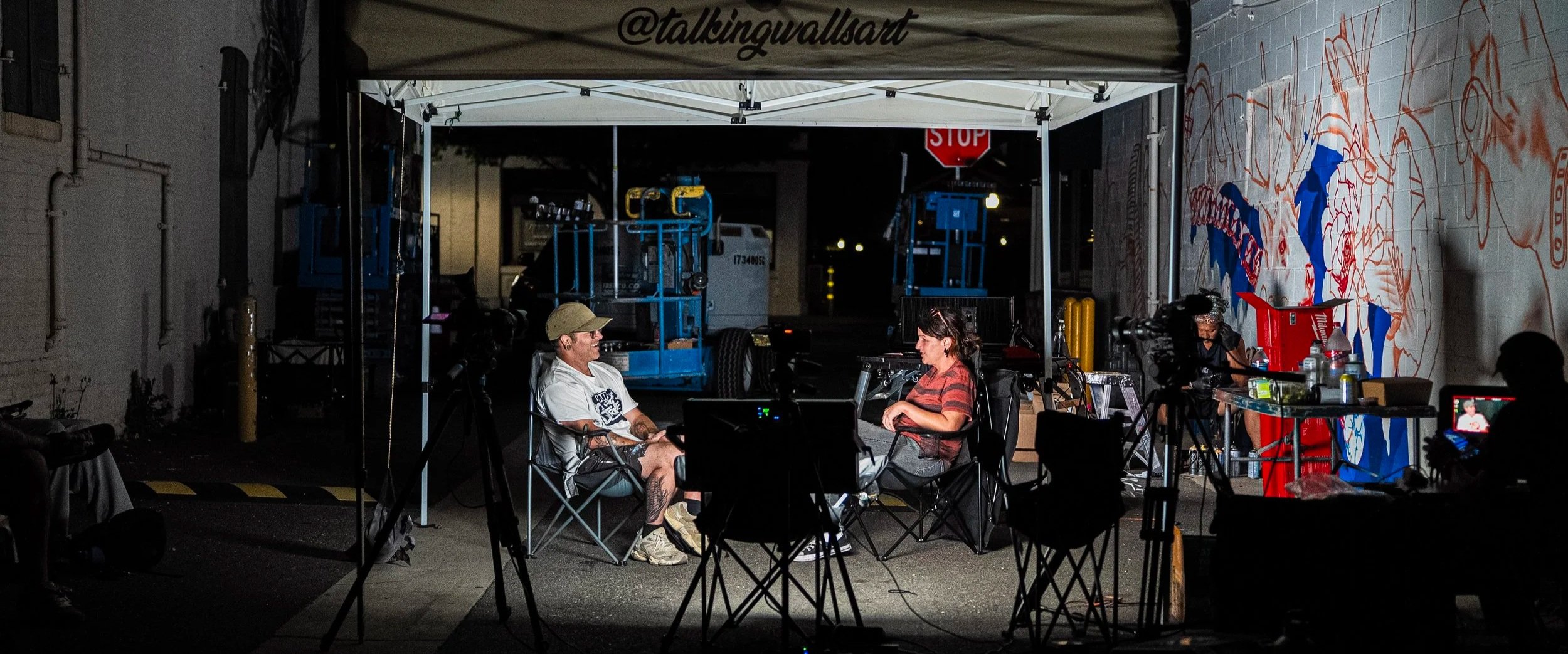
Coming up…
Don't miss our upcoming podcast interviews with some of the Paint the Grove artists soon.
photo @serg_shoots